


All our articles
Which pool filtration system to choose? – Expert advice

The development of the pool market has led to the emergence of increasingly advanced filtration systems. These systems must adapt to current and future requirements, both in terms of efficiency and energy savings: a major challenge for pool filter manufacturers who must constantly innovate.
Today, we invite you to discover the different systems available on the market to help you choose your pool filtration more easily.
What is the function of the pool filtration system?
Filtration is integrated into a closed circuit that operates thanks to the pool pump, from suction through the skimmers to the nozzles that return water to the basin. The role of filtration is to clear the water of as many impurities as possible, whether visible debris like leaves or microscopic particles invisible to the naked eye.
The degree of filtration can vary from a few microns to several dozen, and it is thanks to this unit of measurement that the efficiency of a pool filter is evaluated.
Presentation of different filtration systems
The current market mainly offers three types of filtration systems, which are distinguished primarily by their level of fineness and the simplicity of their maintenance.
It is essential to keep in mind that the pool filter must be cleaned more or less regularly to ensure its proper functioning, an operation that requires time and water, and therefore costs.

The sand filter: the most common
Sand filtration is the most common system today, notably because of its excellent quality-price ratio.
Its operation is very simple: water propelled by the pump passes through a sand bed whose grain size can vary, which retains impurities and returns clear water to the basin. This system offers a fineness of about 30 microns and requires washing about once a month during the summer, thanks to a pump reversal mechanism that sends impurities directly to the sewers. Although this system is effective, it can lead to relatively high water consumption, especially if the filter is too small for the pool.
Nevertheless, this system has evolved over time and no longer uses only sand as a filtering medium, which further improves its performance. Indeed, although we still talk about “sand” filters for convenience, an increasing number of filtration systems integrate other filtering media in addition to or instead of sand.
For example, two types of media are often found:
- Zeolite: a mineral more expensive than sand but much more efficient, capable of improving water clarification. For more information, see our section on zeolite for pool filters.
- Recycled glass: although its performance is lower than that of zeolite, glass is less expensive and requires less maintenance, as it more easily eliminates impurities trapped in the filter. Additional information is available in our section dedicated to recycled glass for pool filters.
The price of a sand filter
On the market, sand filters range from €100 for small pools to €500 for larger models. The lifespan of filtering media varies: about 5 years for sand and up to 9 years for zeolite or glass.
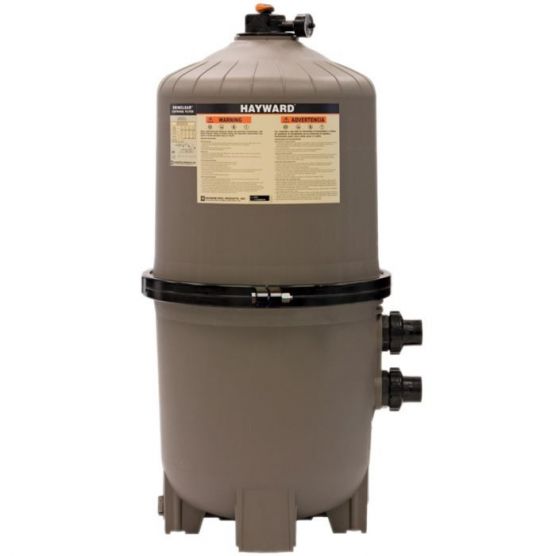
The cartridge filter: ideal for small pools
If you have a small pool, especially an above-ground pool, the cartridge filter is the most economical option you can consider.
This system passes soiled water through a filter cartridge that can be made from various synthetic or natural materials. Depending on its quality, this cartridge can filter particles ranging from 10 to 40 microns. However, the disadvantages of the cartridge filter include:
- A limited flow rate, suitable only for small pools
- More frequent maintenance (about once a week)
- A lifespan for cartridges of one month maximum
Despite this, maintenance of this system only takes about 5 minutes, is very easy, and requires little water, which is an aspect to consider.
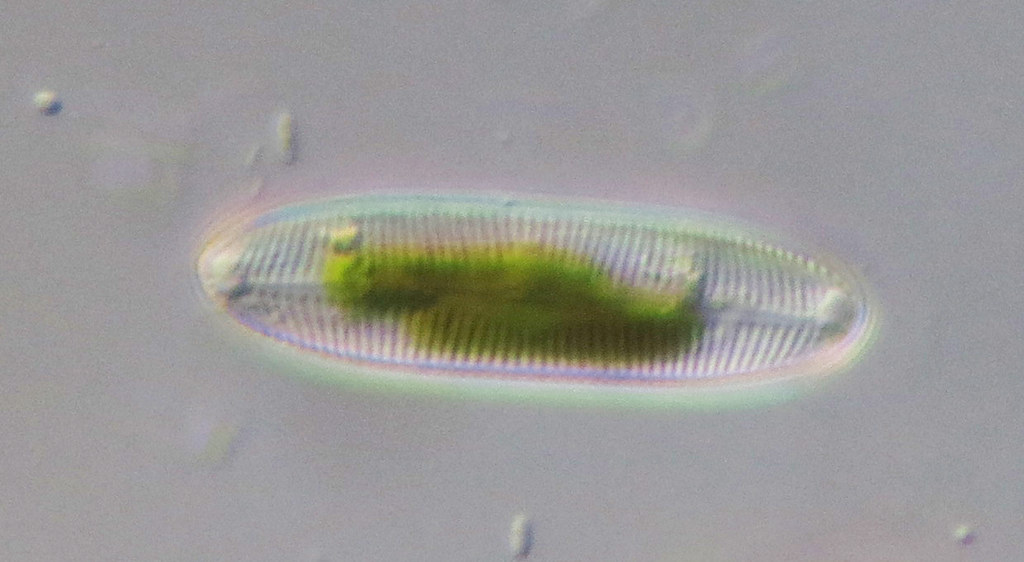
The diatomaceous earth filter: demanding but high-performing
Recently introduced, the diatomaceous earth filter is the most environmentally friendly and highest-performing among the available options.
It uses diatoms, a unicellular micro-algae, which has the capacity to naturally filter microscopic particles present in the water. Incorporated directly into the filtration system in the form of white powder (diatomite), these algae create a natural membrane that allows filtration ranging from 1 to 5 microns! This device considerably reduces the use of chemical products, an advantage increasingly to be considered today.
While it is mainly intended for the most demanding users, the diatomaceous earth filter also has two notable disadvantages:
- A purchase price 40 to 70% higher than a sand filter
- Demanding maintenance, requiring disassembly to descale the filter every year and replace the diatoms.
Operating duration of the various systems
The operating duration of a filtration system is a key factor to plan for, and it will depend on several elements, such as the size of your pool, the flow rate of your pump, and the degree of water pollution…
It is important to note that if you use a pool robot connected to your filtration system, this will increase not only the cleaning efficiency of your pool but also the rate at which the filter becomes clogged.
In general, sand and diatomaceous earth filters require the least operating time, as they can be used with high-flow pumps, unlike cartridge filters which must operate with much lower flow rates.
In summary
In conclusion, the choice of a filtration system depends on your needs, but the following points can be noted:
- If you have a reasonable budget and are looking for a simple and effective system to complement a suitable treatment: opt for a sand filter
- If you have an above-ground pool or a small basin and a limited budget: choose a cartridge filter
- If you are aiming for high filtration performance and have the means for the initial investment: consider a diatomaceous earth filter.
 Tablier PVC seul
 Coffret Alimentation 24V Hors Sol
 Coffret Alimentation 24V Immergé
 Contacteur à clé
 Télécommande
 Bouchon à coller PVC
 Capuchon de lame PVC
 Sangles et attaches de piscine
 Turbine de nage – Intégrée
 Turbine de nage – Saillie amovible